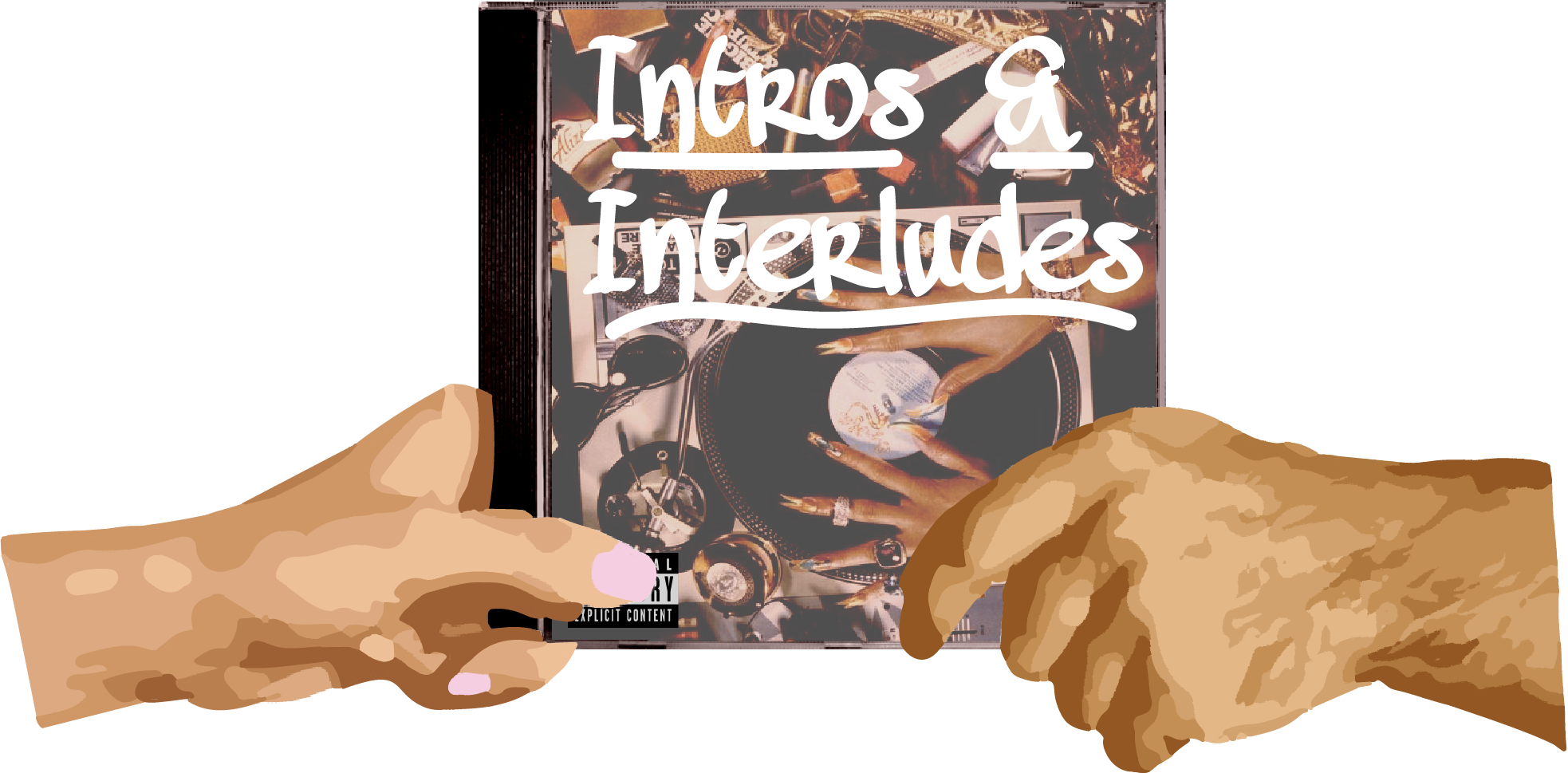
The State of Music:
Where Hip Hop and R&B Stand Today
August 9, 2025

You can get on any social media feed and find someone talking about what’s missing in music today. Between industry plant accusations and the fickle support of a new artist, music fans’ love is unstable, but that’s not new to the music industry. We’re having conversations about where mainstream rap and hip-hop stand because we’re somewhere between rap beef and watching everyone’s long-time favorite artist slowly drop less or objectively poor quality music. Every artist, mainstream or not, has a copycat and some of your favorites have a weird accusation. So where does music stand today? R&B and hip-hop have genre-bended limitlessly and created avenues for music fans to enjoy something new, but the listeners have to go and find it.
There are more subgenres in every type of music than ever before. Classic R&B alone has branched into alternative R&B, neo-soul, contemporary, soul, and more. Hip hop has spawned trap, cloud rap, conscious hip hop, drill, alternative hip hop, and hybrids with other genres. While genre-bending isn’t new, we’re seeing the separation of sound and audience. There’s music everywhere but nobody is listening to the same thing. Streaming and social media has made genre-bending easier than ever because of the endless access to new and classic sounds. But, now it’s also become more disposable. While social media has become a platform for music discovery, it’s now a place for music exploitation. The algorithm rewards whatever is viral, not what’s visionary. That means, the audience has to do the work to put the right videos on their timelines and go do their research on what they want to hear. In the era we’re in now—the streaming era—everyone is seeking a hit in an oversaturated market of music, but artists are struggling to find their audience and maintain them.
People–like us at I&I–do the work for you by curating sounds we think you need to hear. But, that isn’t a plug. It’s a reminder that the audience is in charge of what gets listened to—and that’s where the divide exists. With all the blending in music, the divide between mainstream and underground has become more prominent. While mainstream artists are drilling their sound into the billboard charts or finding ways to fit other popular sounds, underground artists are doubling down on the risks they’re taking, making music that sounds different, and storytelling. Underground artists are crafting concept albums and marketing plans to grow their fanbase, and they’re doing it without million dollar contracts. They depend on word of mouth, Spotify suggested tracks, and social media hits to get the recognition they deserve while not jeopardizing the quality of their music. They want to stay and they don’t care about getting a quick hit, they just want to share their voice, beats, and lyrics. This isn’t a knock on mainstream, it’s a callout to the hunger for feeling. The mainstream has been feeling stagnant for R&B and hip-hop, so it’s time to lean off of the charts. In hopes of reaching more people, mainstream artists are making music they think the people want to hear and drowning out the music people have actually been searching for. Mainstream artists are experimenting with sounds that feel inauthentic to their brand, working with AI, and making album sequels that don’t live up to the original. The fans don’t want to hear that. They want something new or, at the very least, nostalgic.
There’s still a lot of value in the mainstream though. Not every fan wants meaning and storytelling. Some just want a catchy beat and something to play in the background. The mainstream is still driving cultural movements. Regional mainstream sounds are still shaping hip hop since its birth and it’s still one of the biggest drivers of culture. Internationally, U.S. hip-hop and r&b artists are the blueprint for how new artists are presenting themselves and, in turn, blowing up. Virality is affecting what we hear and how audiences are interacting with music. That’s why some artists are washed out of the scene just as quick as they popped up. Longevity is one of the main talking points of GOAT conversations, but hardly anyone is sticking around. A lot of artists seek mystery and separation from fame (yet, still enjoy the luxuries of them). Though, we can acknowledge how problematic and parasocial fans could be, so wanting to have a personal life is very valid. However, fans want movements to cling onto and make memories with. They want live performances, merch, interviews, inspiration, and quality music. But, they want it from their faves who don’t seem to want to give it. Or, their faves are giving marketing-team-money-grab-“here, damn” products that don’t feel true to the artist.
This is why so much of the underground is outshining the mainstream. They’re outputting and reaching out to their fans. The underground is a community with artists collaborating with each other, becoming friends, and putting together tours and events. Fans are involved in the creative process and they’re encouraged to be active. At some point, maybe the underground becomes mainstream and all of that is lost. Maybe that’s the cycle. The underground stays pure because it hasn’t been commodified. The overnight viral artists make a hit, grow their fanbase, and fade out into oblivion or switch lanes into another career focus (there are always exceptions). Either way, the underground where the energy is right now. I can’t ignore the anomalies, like Beyoncé, who is far from underground but still has a cult following because she truly understands the importance of building a community within the fanbase. Although Renaissance and Cowboy Carter have messages close to her personal life, they were created for the fans who get it and seemingly, all of her fans get it. Tyler, The Creator also has a cult following because he feeds his fanbase with creative concepts, tours, interviews, merch, etc. Some artists in the mainstream, like Beyoncé and Tyler, don’t need to rely on constant connection with their fans to create successful moments. But, because they connect with fans frequently, every new drop becomes an era that causes the entire industry to stop and stare.
Streaming and social media makes outreach and discovery easy, but now music is more disposable. How many songs do you have added to your music library and liked songs that you only heard once? You’re replaying music that sticks with you–new and old. You’re forgetting anything you didn’t immediately playlist or put on repeat even if you liked it just a little bit. So where do we go from here? It’s not the end of good music, we just have to get creative with how we’re accessing it. Fans need to pay attention, stay curious and support their favorite artists, big or small. Artists need to make music they’re proud of, build communities, and tell stories in their music. Some artists are setting the tone for the future of r&b and hip hop. They’re intentional, genre-fluid, connected to their fans, and authentic (see: MIKE, Smino, Ravyn Lenae, Sza, Earl Sweatshirt, Carti, Bad Bunny, etc.).
Good music is alive and well, but the way you used to find it has changed. If you’re not hearing what you want, do your homework. Or just stay tuned to Intros & Interludes, we’re ready to do the work for you.
